 Saluki
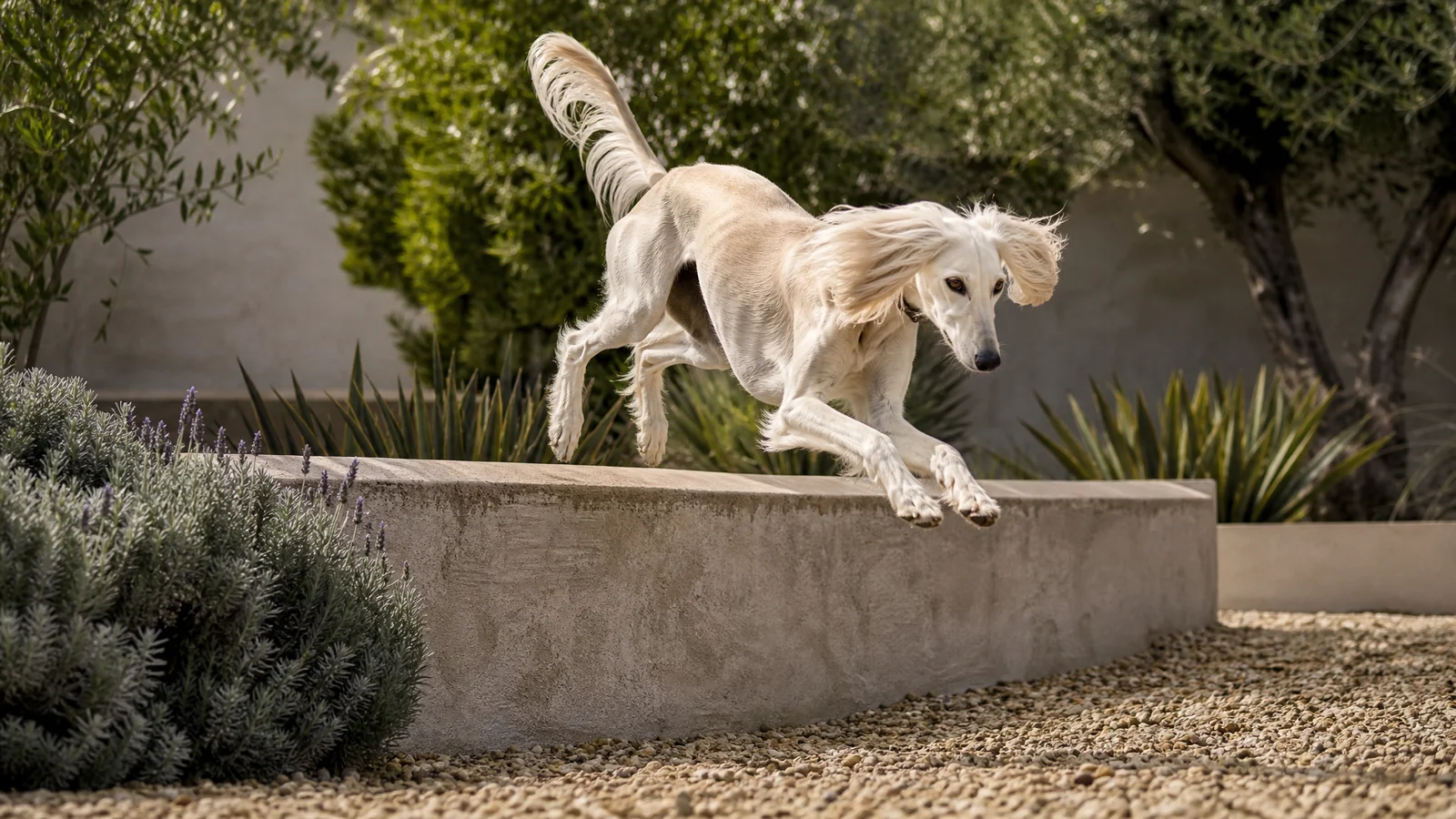
An empty yard can be the first evidence of an escape. The Saluki may have cleared a low point, slipped through a gate or dug where the fence meets soft ground, and the route is often less dramatic than the dog's speed afterward. Work backward from the opening before assuming the answer is simply a taller barrier.
Escape prevention combines a physical audit with a different yard routine. The dog needs supervised access, rewarding reasons to return and outlets that do not depend on patrolling the boundary.
This guide inspects the full fence line, identifies the event that starts the attempt and changes how the yard is used. It then teaches a return from the boundary, rehearses gates and ends with a review system for Saluki behavior problems that change with weather, wildlife and household habits.
Audit the Yard After Saluki Behavior Problems
Secure the dog indoors before inspecting. Walk both sides of the boundary where access is lawful, then look from the Saluki's eye level. A gap behind a shrub, loose latch or object beside the fence can disappear from the usual standing view.
The AKC breed standard describes hindquarters built with galloping and jumping power. That physical capacity makes the entire boundary important. It does not provide a universal fence height or prove that jumping caused a particular escape.
Photograph and block the suspected route before the yard is used again. Temporary supervised leash trips are safer than testing whether a repair works by releasing the dog. The escape itself is highly rewarding because it opens movement, scent and pursuit beyond the property.
Use an inspection sequence so attractive features do not distract from small failures. Complete the same route each time and mark any repair that needs a second person:
- Check every latch, hinge and gate gap from inside and outside the yard.
- Trace the bottom edge for erosion, digging, flexible material and spaces beneath panels.
- Move furniture, wood piles and garden items that create a launch point.
- Look for leaning trees or structures that reduce the effective boundary.
- Record where wildlife, pedestrians or dogs are most visible from the yard.
Recheck after wind, yard work, deliveries and repairs by another contractor. A secure yard is a maintained system rather than a one-time purchase. Household members should know who confirms each gate before the Saluki goes outside.
Examine the ground outside the fence too. Tracks, disturbed soil or a regular wildlife path can explain why one section draws repeated attention. Remove attractants where possible and supervise that area closely while the broader plan is established.
We treat any unknown escape route as an active defect. Until the opening is located, use leashed outdoor trips and a separate secure exercise space. Confidence without evidence risks repeating the event before the household understands it.
Identify the Trigger Behind Saluki Behavior Problems
Review what happened immediately before the attempt. The dog may have seen a rabbit, followed a scent near the bottom rail, responded to a person leaving or discovered that unsupervised yard time had become boring. Different triggers require different prevention beyond the same repaired fence.
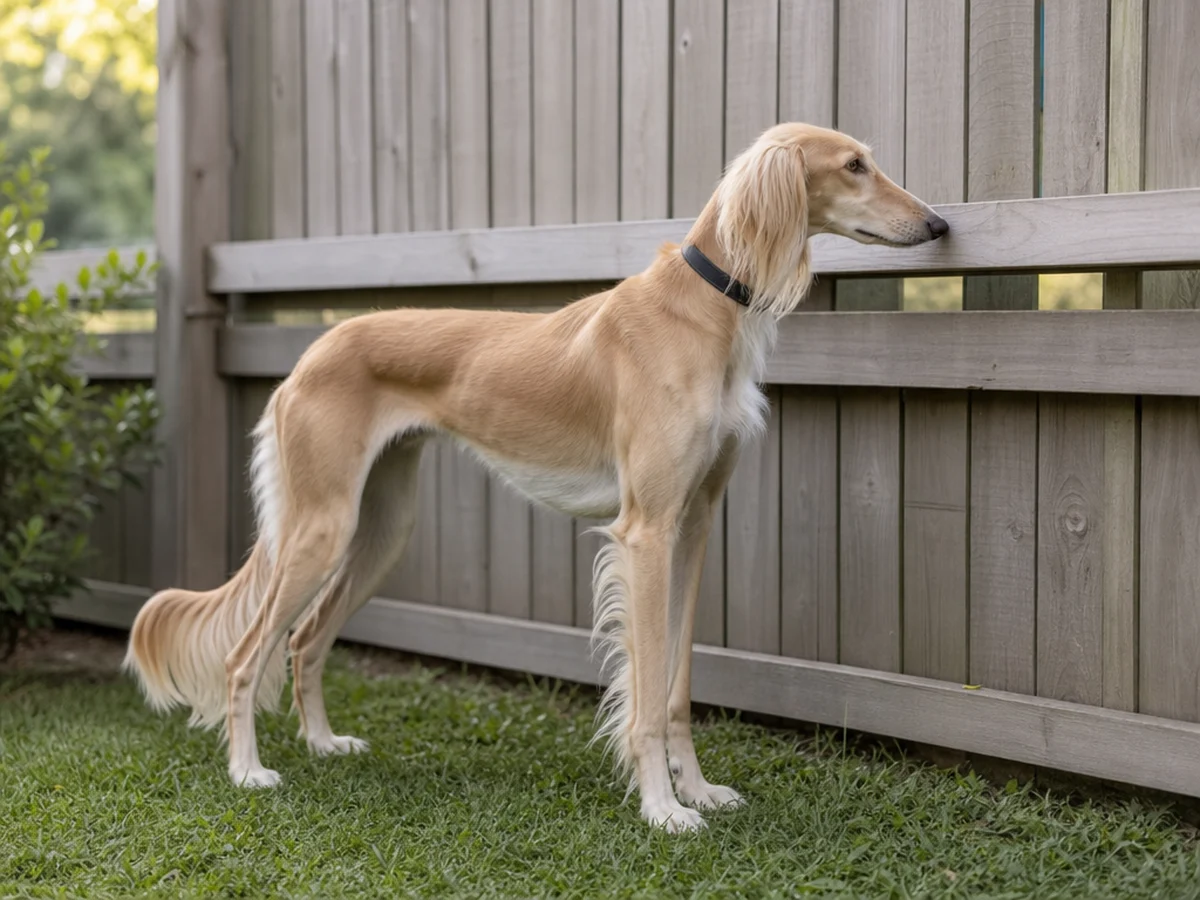
The AKC Saluki profile notes both escape-artist behavior and the importance of good fencing. Use that warning as a reason for active management, not as an explanation that ends the investigation. The household still needs to identify when and where attempts begin.
| Pattern near the boundary | Likely immediate draw | Management response |
|---|---|---|
| Sudden sprint toward one side | Visible moving trigger | Block the view and supervise on leash |
| Repeated sniffing at ground level | Scent or a developing gap | Inspect and reinforce the bottom edge |
| Pacing after a person leaves | Distress around departure | End yard isolation and assess alone-time behavior |
| Random fence patrol during long stays | Understructured outdoor time | Use brief trips with an active job |
Do not wait beside the trigger to see what the dog does. Once the pattern is understood, prevent rehearsal. Window film, an interior visual screen, a leash or a different outdoor time can remove the immediate opportunity while training begins.
The site's Saluki house rules help define supervised access and consistent transitions. Enrichment cannot replace fencing, but a clear daily structure can stop the yard from carrying the entire burden of exercise and stimulation.
Notice whether attempts cluster at one time. Dawn wildlife activity, an after-school rush on the sidewalk or a neighboring dog in the evening may create a predictable window. Shift yard trips away from that window while changing the sightline or boundary.
Change the Yard Routine for Saluki Behavior
Make yard trips purposeful and supervised. Walk out together, complete toileting, practice a few check-ins or scatter a sniffing search away from the fence, then return indoors. The dog should not spend long periods inventing a private boundary game.
Position activities near the house or center of the yard. Food searches, calm toy play and rest in the shade are easier to supervise there. Avoid throwing toys toward the fence or repeatedly racing the Saluki along the same perimeter path.
If the hound begins scanning, interrupt early by moving away and rewarding travel with the handler. Do not call from across the yard after the dog is already launching. Close distance first and choose a moment when the Saluki can still respond.
Household consistency matters. Humane World guidance emphasizes that everyone must follow a jumping plan consistently. The same principle applies to escape prevention because one unsupervised release can restore the old payoff.
The Saluki Club code notes that the breed matures slowly. Continue using age-appropriate supervision rather than assuming a quiet period has erased the behavior. A changing young hound may respond differently when a new trigger appears.
Rotate calm activities so the routine does not depend on constant throwing or sprinting. A short scent search, several returns to the handler and a rest near the house can share one trip. The yard becomes a place for guided choices instead of a holding area.
Teach a Saluki Return From the Fence
Begin far from the boundary with the Saluki on a leash. Mark any voluntary turn toward the handler and reward beside your leg. Walk away together, then release the dog to sniff in the central yard area.
Add a return cue after the movement becomes familiar. Give the word a single time, step away from the fence and reward the hound for following. The cue means travel with the person to a safer zone, not stand near the trigger and try to ignore it.
Practice Before a Trigger Appears
Use empty sections of fence first. Approach at an angle, pause while the dog remains loose and move back to the center. Several easy returns establish the route before wildlife or a passing dog changes the picture.
Gradually work near a mildly interesting area while preserving enough distance for easy eating. If the Saluki leans forward, stops taking food normally or searches beyond the barrier, retreat and simplify. The physical fence remains the primary safety layer throughout.
Reward the Whole Trip Back
Deliver reinforcement after the dog reaches the chosen central spot. Rewarding halfway can cause the Saluki to eat and rebound toward the boundary. A short food search in the safe zone can keep attention there while arousal falls.
Sometimes return indoors after the reward and sometimes resume a supervised yard activity. Variety prevents the cue from always predicting that outside time ends. It also gives the handler practice attaching the leash calmly before a real transition.
Ask for the behavior from different sections only after the empty fence is easy. Curves, shrubs and changes in footing alter what the dog sees while turning. Approach each new section at a distance that preserves a loose line and ready response.
Rehearse Gates as Saluki Behavior Problems
Gates deserve their own practice because they combine a narrow opening, human movement and access to the world outside. Use a second barrier or leash while training. The gate should never be the only thing between an inexperienced response and an open street.
Build a Pause Behind the Gate Line
Mark a spot several steps inside the yard. Approach the closed gate, reward the Saluki behind that line and walk away. Next, touch the latch, open the gate a crack and close it while the dog stays at the marked area.
Progress to a helper walking through while the handler rewards inside. The dog does not need a long sit. They need to remain behind the line until released, then travel through on a leash only when the person has control of the opening.
Plan Deliveries and Shared Entrances
Move the Saluki indoors before a delivery, contractor visit or group arrival. Training repetitions should be quiet and planned. A real visitor who props the gate open is not an appropriate proofing exercise.
Post a reminder on the inside latch if several people use the entrance. The best protocol is visible and simple: dog secured, gate opened, gate latched, then dog released. Avoid relying on someone remembering an exception during a busy moment.
Inspect self-closing hardware instead of assuming it completed the job. Gravel, frost or a dropped object can prevent a gate from seating. The person using the entrance remains responsible for physically checking the latch.
The site's Saluki visitor routine also plans movement through entrances before a guest arrives. Apply the same advance coordination to the yard so nobody opens a boundary while another person is bringing the Saluki outside.
Review Saluki Behavior Problems Every Week
Walk the boundary regularly and compare repairs with the trigger record. Note new digging, worn paths, changing sightlines and any occasion when the Saluki needed help leaving the fence. Preserve routine veterinary checkups and report sudden restlessness or behavior change, especially when it accompanies discomfort or altered movement.
Review the human side as well. Confirm who supervised, how long the trip lasted and whether a gate was used during the outing. A pattern that looks like unpredictable dog behavior may trace back to one recurring gap in the household routine.
Progress means fewer attempts because opportunity and motivation are both addressed. The hound returns from the boundary, gates operate under a clear routine and outdoor time ends before scanning takes over. Keep supervision even after a quiet stretch, because the consequence of one successful escape is too serious for a graduation test.
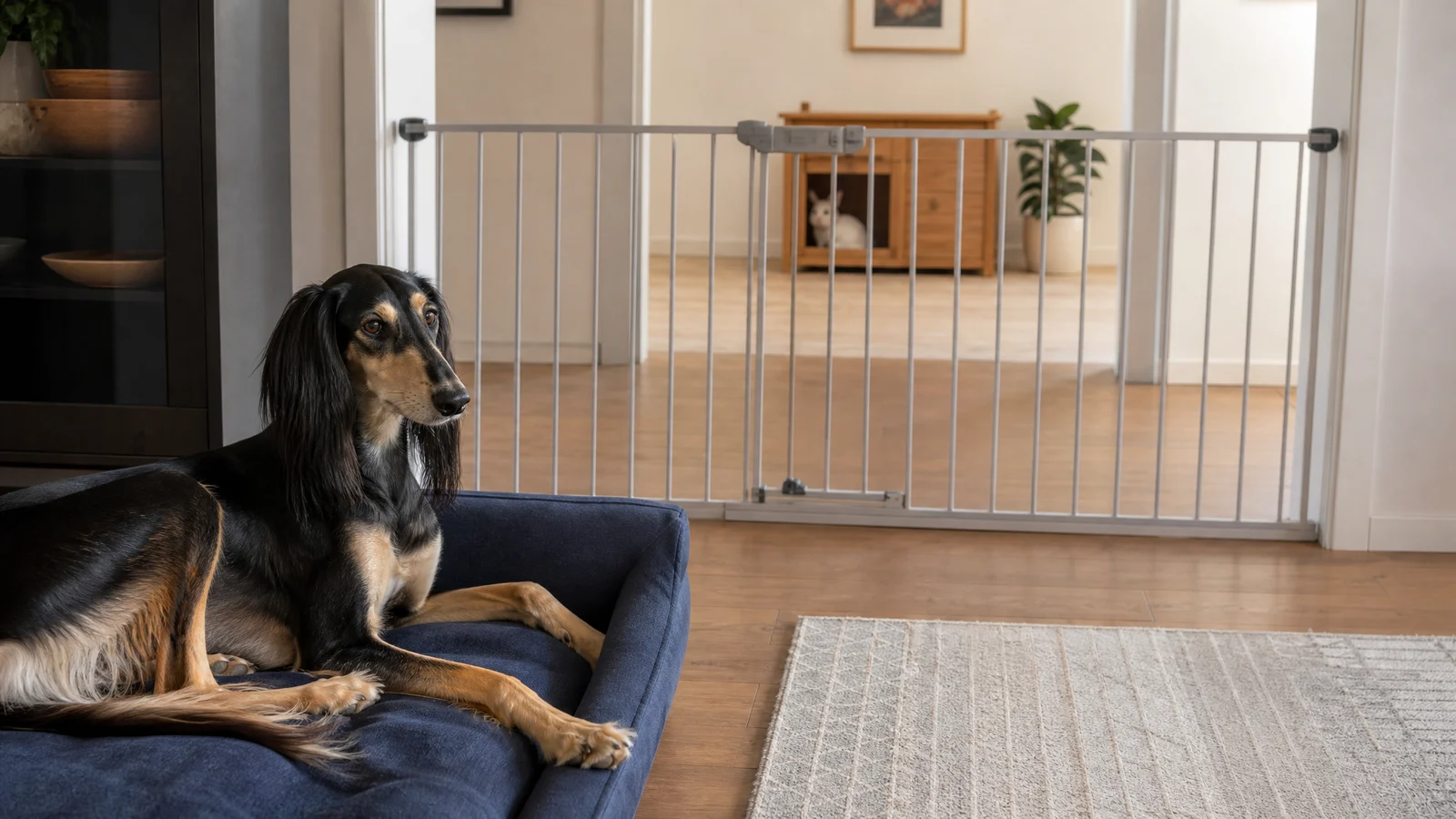 BehaviorKeeping Small Pets Safe Around a Saluki Who Chases
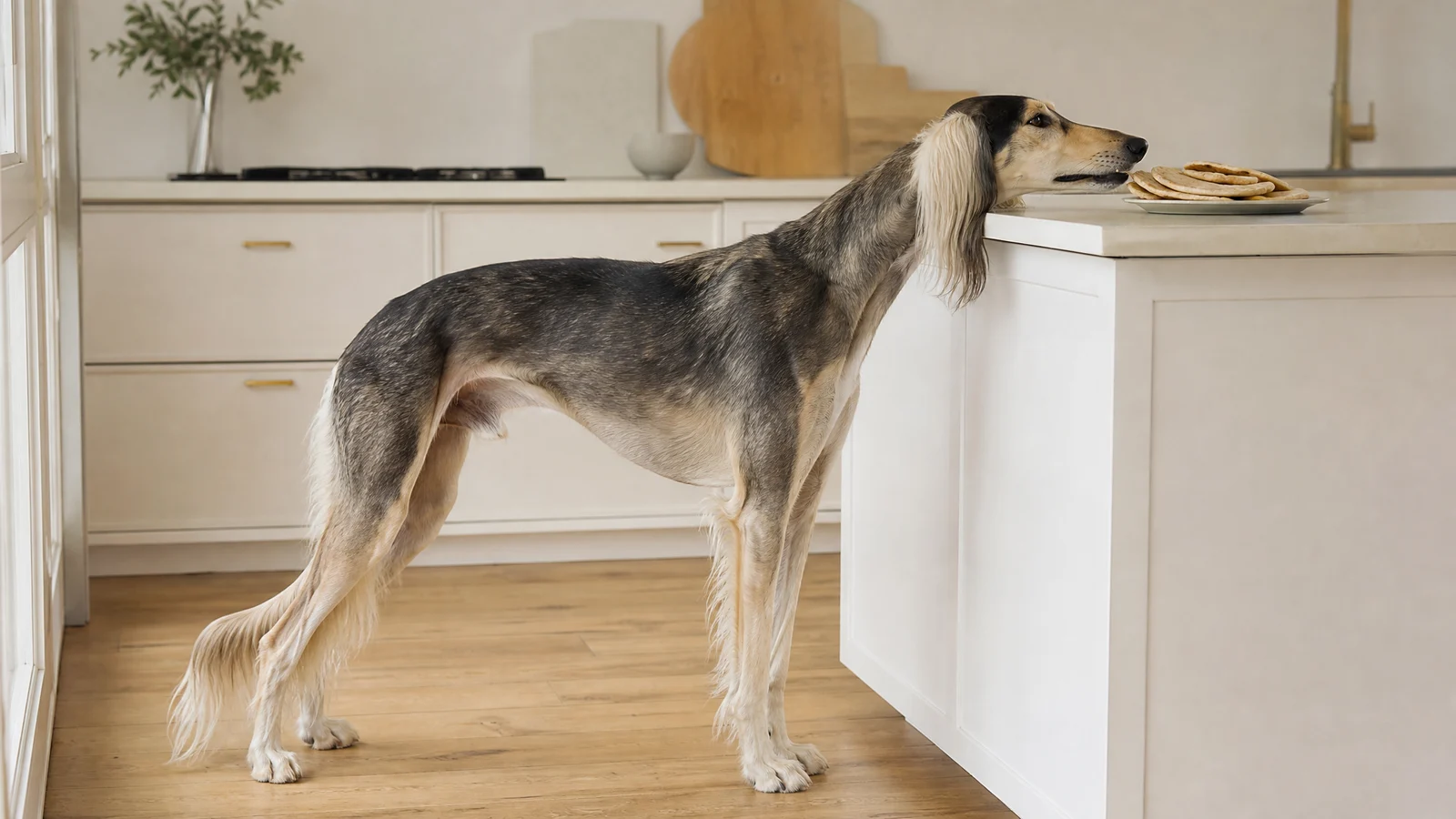 BehaviorCounter Manners for a Saluki With a Long Reach and a Good Nose
 Puppy trainingSalukis at 6 Months: Wobbly Confidence and Rewards That Still Work
