 Saluki
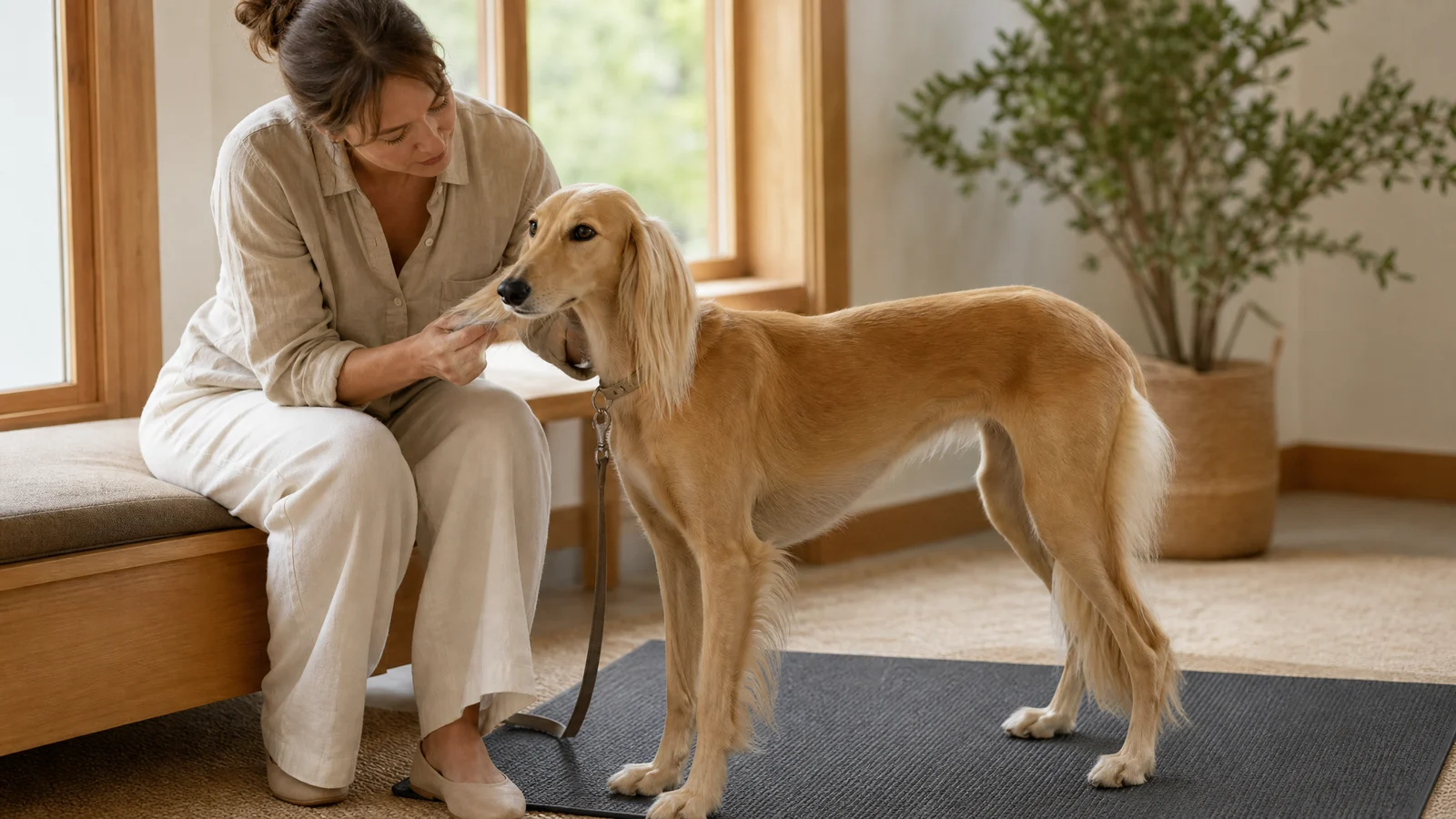
Handling practice for a Saluki can begin in the first weeks at home, long before the adult coat and feathering come in. Salukis mature slowly, and development runs on until about two years of age. The dog you groom at one year is still growing into the dog you will groom at two. Short sessions at the start cost a few minutes a day and pay back for a lifetime.
Grooming is lighter for this breed than most owners expect, and that carries a risk. Skip early handling because the coat looks easy, and an adult may panic at the first nail trim. Start early, and care stays calm for years. We specialize in Saluki behavior and training, so each section tests one common belief against the facts and settles it. In this article, we'll go through shedding and brushing, smooth and feathered coats, baths, nails and teeth, and drooling.
Salukis Shed Too Little to Need Brushing
The belief: a dog who sheds little needs no brushing. Saluki shedding is rated 2 of 5, where 1 means no shedding, 3 is moderate and 5 is hair everywhere. The first half of the belief holds, because loose hair rarely piles up in a Saluki household. The second half fails. Brushing does several jobs that a shedding score never measures.
- It lifts loose hair and surface dirt before they reach the couch or the car seat.
- It lets you look over the skin, ears, feet and underside every time, so a cut, lump or rash gets noticed early.
- It spreads natural skin oils along the hair, which keeps a short coat looking smooth.
- It is a handling lesson. A leggy, independent-minded dog learns to stand still and accept touch while treats arrive.
Tools That Suit a Light Coat
A soft bristle brush or a rubber grooming mitt handles most of the work on short hair. Stroke in the direction the hair grows. Use light pressure over the ribs, hips and spine, and go slowly over the thin skin of the legs. The tool matters less than the habit. A dog who has learned to enjoy the mitt will accept almost any other tool later, so introduce each new one with a treat before it touches the body.
Seasonal Changes in Hair Loss
Dogs vary, and a rating gives no calendar. Whenever you notice extra loose hair on your Saluki or on the furniture, brush more often for that stretch, then ease back. Low shedding trims the brushing and does not remove it.
Smooth and Feathered Saluki Coats Need Different Grooming
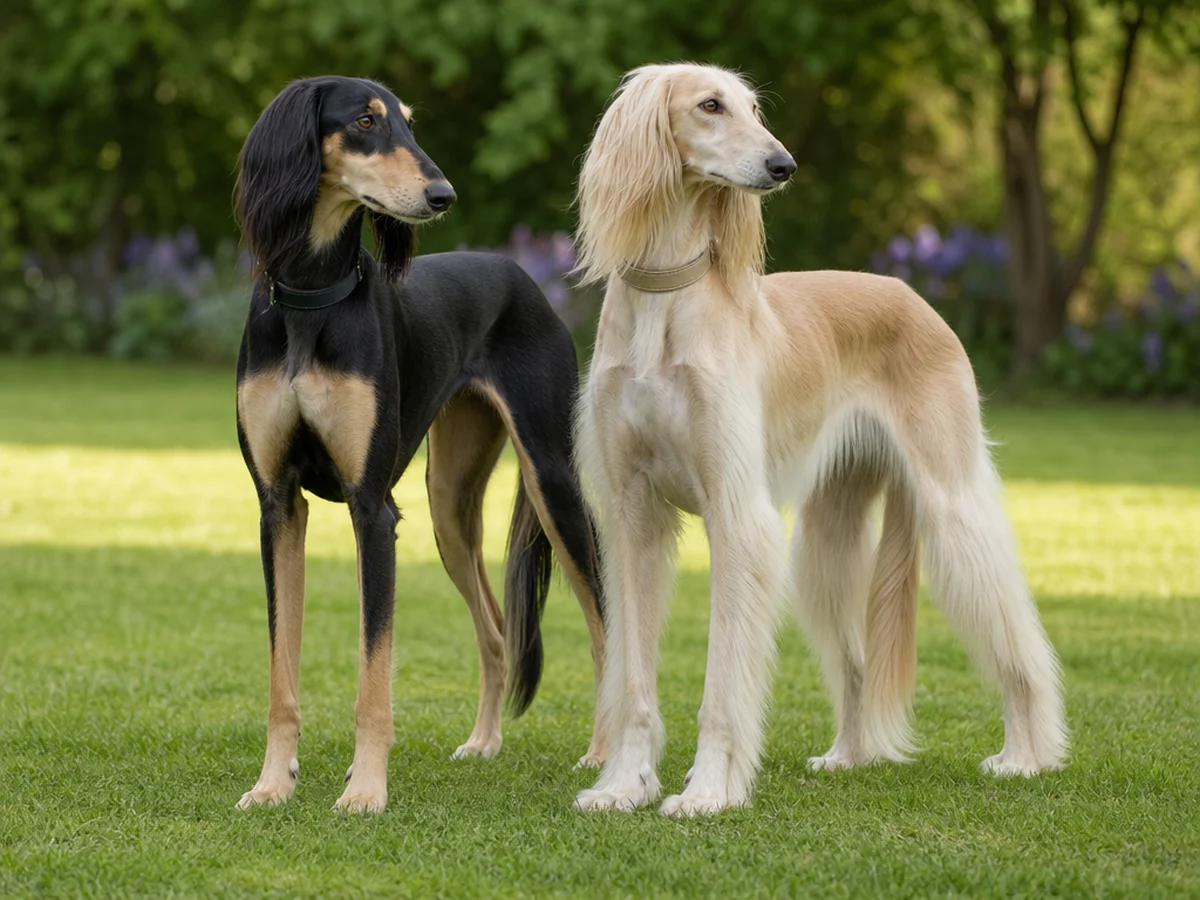
The belief: every Saluki has the same coat, so one routine fits all. The breed comes in two coat types, smooth and feathered. The standard says the smooth variety has the same points as the standard except the coat, which has no feathering. That single difference changes your tools and the places you check.
| Coat type | What the hair is like | Main tools | Places to check |
|---|---|---|---|
| Smooth | Short coat with no feathering | Soft brush or rubber mitt | Skin, ears, feet, underside |
| Feathered | Same body coat, plus longer feathering | Mitt for the body, comb for the feathering | Wherever the longer hair rubs, plus the skin beneath |
Feathered dogs tangle where longer hair rubs against itself or against the body. Hold the hair near the skin with one hand and comb from the ends upward with the other, so the comb never tugs at the roots. After walks, run your fingers through the feathering and remove burrs and debris before they knot. Daily leash walks are part of this breed's routine, so the check becomes a habit quickly.
Teach both coat types the same position. Ask the dog to stand on a mat, mark calm with a word such as yes, and feed a treat for each quiet stroke. Smooth dogs finish the lesson faster. Feathered dogs need a few extra minutes, and the comb deserves its own introduction. Let the dog sniff it, treat, then touch it to the shoulder before any real combing. The base routine is shared, and the feathered coat adds a comb pass.
Does Saluki Grooming Take Hours Every Week?
The belief: a refined hound with feathering demands long sessions at the grooming table. The breed's ratings say otherwise. These three bear directly on coat care.
| Trait | Rating | What the scale means |
|---|---|---|
| Shedding level | 2 of 5 | 1 is no shedding, 5 is hair everywhere |
| Coat grooming frequency | 1 of 5 | 1 is monthly, 3 is weekly, 5 is daily |
| Drooling level | 1 of 5 | 1 is less likely to drool, 5 is always have a towel |
A 1 on grooming frequency means a monthly pass is the coat's baseline need. That sets a ceiling on the work, and it is not a reason to ignore the dog for weeks. Feathered dogs benefit from a quick comb through between sessions. Every Saluki benefits from a short touch-and-treat routine.
Practice is where your time goes, and short sessions beat long ones. Trainability is rated 3 of 5, agreeable rather than eager to please, so treats do the persuading. Keep the same place, the same mat and the same order each time. Humane training guidance describes structure and routine as what dogs learn from best, with no fear, intimidation or pain involved. A rehearsed order of events also helps a reserved dog predict what happens next.
A simple practice session can run in this order:
- Ask the dog to stand on the mat and feed a treat for staying put.
- Run a hand along the back, sides and legs, marking and rewarding calm.
- Lift each paw and look at the nails and pads, then reward.
- Lift the lips briefly to look at the teeth, then reward.
- Finish with a few strokes of the mitt, a last treat and release.
The verdict is minutes, not hours, as long as you keep sessions brief.
Frequent Baths Are Not Required for Saluki Grooming
The belief: a clean dog is a freshly bathed dog, so baths belong on a schedule. For this breed, bathe when the dog is dirty or smells, not by the calendar. With low shedding and a coat that needs attention about monthly, brushing handles most of the upkeep. Frequent shampooing can dry the skin and strip the oils that brushing works to spread.
Bathing helps after mud, a roll in something foul, or a swim in dirty water. Use a shampoo made for dogs, rinse until the water runs clear and dry the dog well. Feathering holds water longest, so towel it with extra care. Brush or comb before the bath, because wet tangles are harder to remove. After any bath, keep the room warm and dry the dog fully before heading outside.
The bath itself is a skill to teach. The RSPCA advises reward-based training to build gradual familiarity with equipment, products and the setting. Work through these steps in order and move on only when the dog is relaxed:
- Feed treats near the empty tub or shower area, then let the dog step in and out freely.
- Add a non-slip mat and treat for standing on it.
- Run the water at a distance, then bring it close, treating for calm.
- Wet the legs with lukewarm water, treat, and stop.
- Add shampoo, then rinsing, then drying, one new piece per session.
Professional groomer visits can begin once the dog is fully vaccinated, which gives a young Saluki another place to practice calm handling. Baths stay occasional, and the practice behind them is what matters.
This is general information, not veterinary advice. Ask your veterinarian when your puppy can start groomer visits, which shampoos and dental products suit your dog, and what to do about skin, ear or tooth problems you notice.
Saluki Nail Trims Go Smoothly When Started Young
The belief: dogs hate nail trims, so you should dread them. If started when young, Salukis can be trained to hold still for nail trimming and daily teeth brushing. Dislike often grows from rushed trims on a dog who was never prepared, and early, gentle practice helps prevent it. Both skills below follow the same pattern of tiny steps and quick rewards.
Building Nail Handling
Begin with paws, not tools. Touch a paw, say your marker word, feed a treat. Next, hold the paw for a moment, then press each toe lightly. Introduce the clipper or grinder as an object that predicts treats, then touch it to a nail without cutting. Only then trim a single nail and stop on a good note. Take off small amounts at a time, and go cautiously on dark nails, where the quick is hard to see.
Watch the dog throughout. Handling training should never push a dog past their threshold. If you see lip licking, pursed lips or yawning, go back to an earlier step. Slow progress is the faster route, because a dog who stays comfortable keeps volunteering for the next session.
Building a Teeth Brushing Habit
Teeth need the same patience. The ASPCA suggests massaging the lips gently for 30 to 60 seconds once or twice a day for a few weeks before you introduce a brush. After that, add a taste of dog toothpaste, then the brush at the front teeth, then further back. Keep each session short and finish with praise or play. Daily brushing is the goal, and a calm dog who has practiced since puppyhood makes it possible.
Nails and teeth are skills, and young Salukis can learn them.
Drooling Rarely Troubles Saluki Households
The belief: sighthounds are messy dogs. The breed's drooling rating is 1 of 5, where 1 means less likely to drool and 5 means always have a towel. Salukis rarely leave wet marks on furniture or sleeves, and you can usually skip the towel by the door. On this point the belief is wrong.
Low mess does not mean low maintenance everywhere, though. A short checklist after grooming keeps small problems from growing:
- Look inside the ears for redness, debris or odor, and wipe only what you can see.
- Check the eyes for discharge and the gums and teeth for tartar or soreness.
- Run your hands over legs, feet and pads for cuts, since Salukis love to run and need a well-fenced yard for it.
- On feathered dogs, part the feathering and look at the skin beneath for irritation.
Schedule regular veterinary visits as well. Your vet can check teeth, ears, skin and nails and tell you what is normal for your dog. Your own checks tell you when something has changed between visits. A clean mouth and coat still come with a few routine checks that count.
A Monthly Routine Covers Most Saluki Grooming
Every belief above now has an answer. Light shedding still earns brushing. Smooth and feathered coats share a base routine, with a comb added for feathering. Grooming takes minutes, not hours. Baths follow dirt, not a schedule. Nails and teeth respond to early, gentle practice. Put together, a short monthly routine plus handling practice that starts in puppyhood keeps a Saluki's coat and nails in order. Stop the moment the dog shows stress, and try again tomorrow.
Two questions tend to follow. The first is how to teach a hound who would rather chase than sit to stand still at all. Marker words, patience and secure management around moving things are covered in training a Saluki. The second is how a reserved, independent temperament shapes daily life, grooming sessions included. Saluki temperament and house rules picks that up.
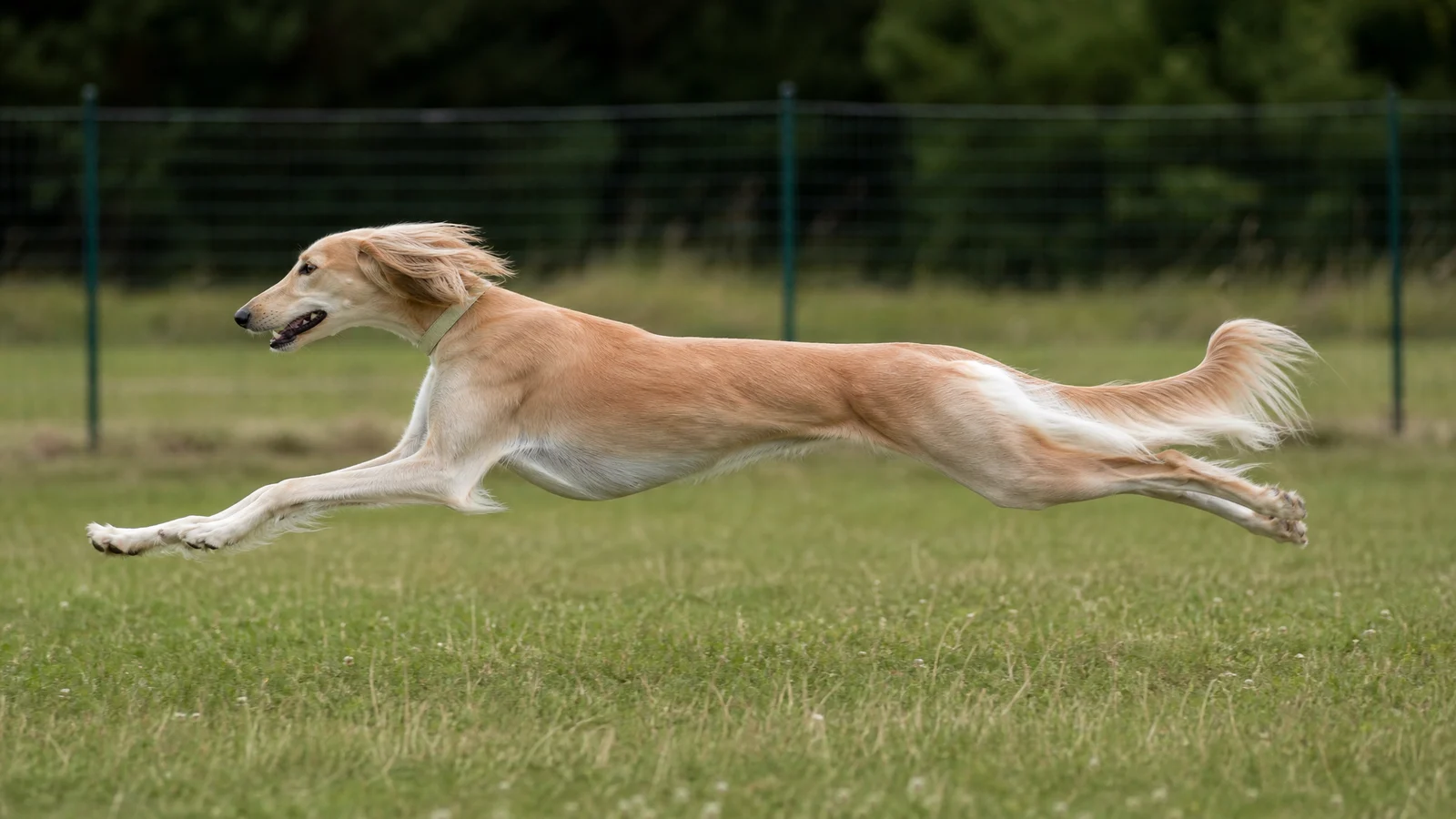 Training basicsHow to Train a Saluki Who Would Rather Chase Than Sit
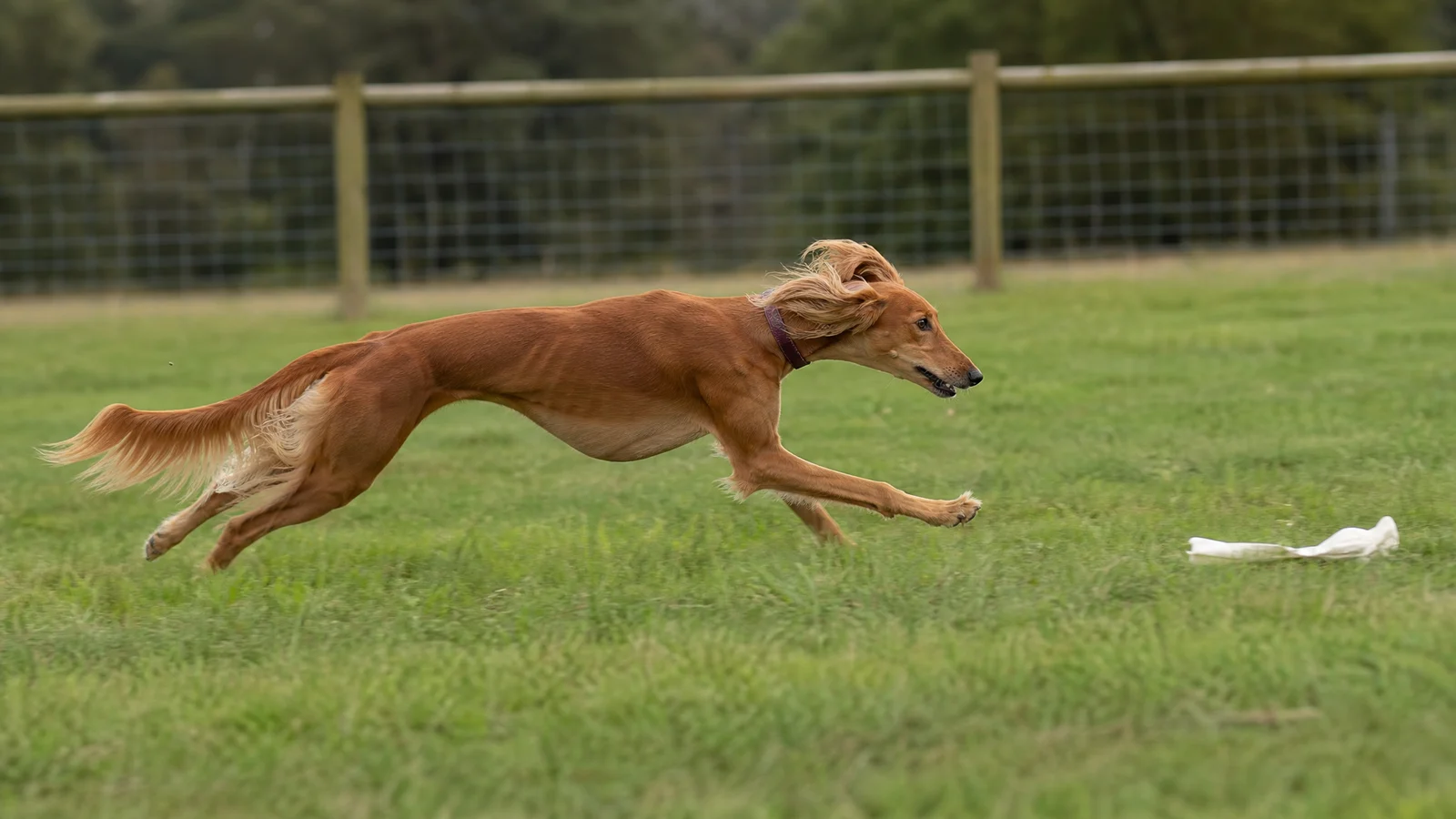 Exercise and jobsSaluki Exercise Needs and Lure Coursing as an Outlet
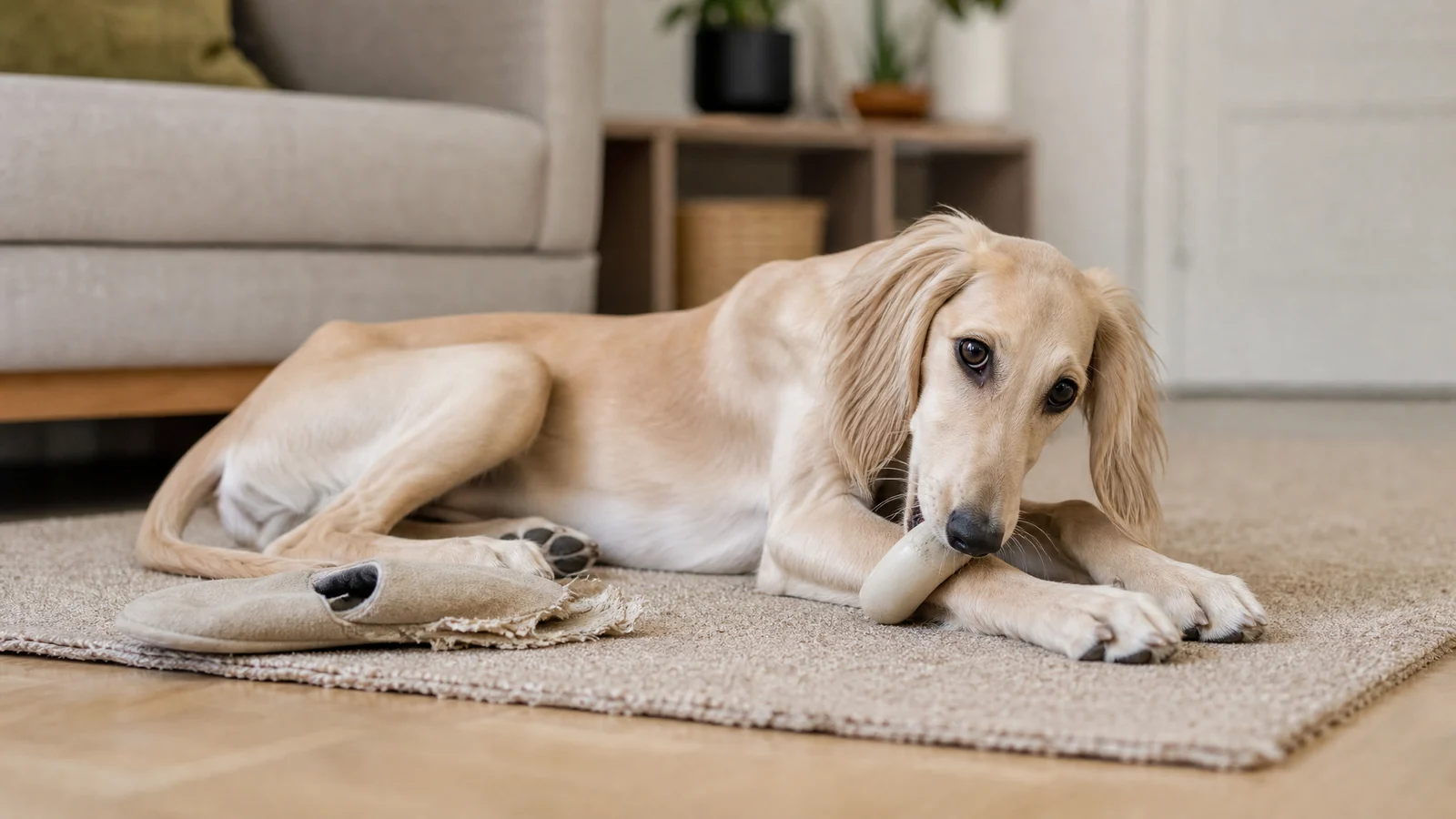 Puppy trainingWhy Is My Cute Saluki Puppy Chewing Everything?
